
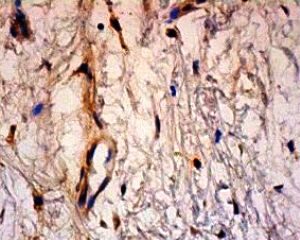
HAS2 (Hyaluronan Synthase 2) [MD440]
$517.00
There are three hyaluronan synthases including HAS1, HAS2, and HAS3. Hyaluronic acid (HA) is a high molecular weight linear polysaccharide composed of alternating glucuronic acid and N-acetylglucosamine residues, linked by β-1,3 and β-1,4 glycosidic bonds. The unique structure of HA allows water retention and provides hydration and lubrication in tissues, making HA essential for maintaining cartilage and other connective tissues. The differential expression of HAS1, HAS2, and HAS3 during development indicates distinct roles in HA matrix formation, with HAS2 being predominantly expressed in chondrocytes and cartilage, highlighting HAS2′s importance in skeletal development and joint health. The human HAS2 gene is located on chromosome 8q24.12, HAS2 is generally considered the most important hyaluronan synthase isoform overall. It is the most widely expressed and studied in mammalian tissues, plays a critical role in embryonic development (especially heart morphogenesis), and drives cell proliferation and tissue remodeling.
Clone
MD440
Isotype
IgM/k
Host species
Mouse
Species Reactivity
Human, mouse, rat
Cellular Localization
Cytoplasm
Positive Control
Connective tissue and cartilage, embryo tissue, heart, kidney
Applications
IHC, ICC/IF, WB
Intended Use
Research Use Only